Adaptive Choreography
Let the performer perform.
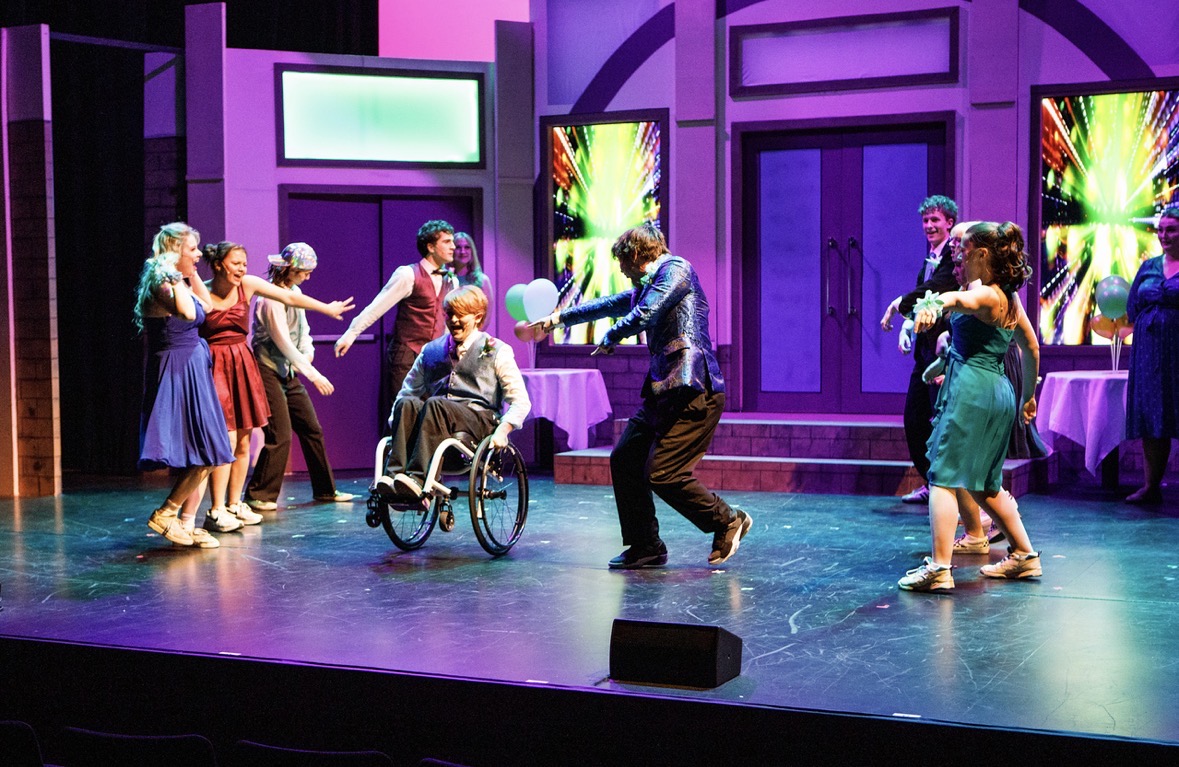
When a disabled dancer joins a production or educational program, there is often an assumption that they can simply "adapt" the choreography themselves.
Sometimes they can, and sometimes they prefer to! That's great! But adaptation takes expertise, time, creativity, and labor that should be recognized.
A performer shouldn't automatically be expected to take on an unpaid choreographer's job in addition to the job they were hired to do.
What Is Adaptive Choreography?
Adaptive choreography is collaborative movement-making that takes a dancer's body, access needs, abilities, and artistic goals into account.
- Rather than asking:
How can we make this dancer fit the choreography?
- we can ask:
What can we create with this dancer?
An adaptive choreographer can work alongside the dancer and existing creative team to develop, modify, or problem-solve movement for a particular production, class, or performance.
When Might You Need An Adaptive Choreographer?
You might consider adaptive choreography if:
- You're hiring a disabled dancer for the first time.
- Your existing choreography doesn't work for the dancer's body or mobility aid.
- Your choreographer wants support adapting movement.
- You're teaching a disabled dancer in an educational program.
- Your production has movement requirements your team doesn't have experience adapting.
- A performer has been asked to adapt choreography and your team wants to provide appropriate professional support instead.
- You are a disabled dancer looking for support adapting choreography!
What We Can Work On
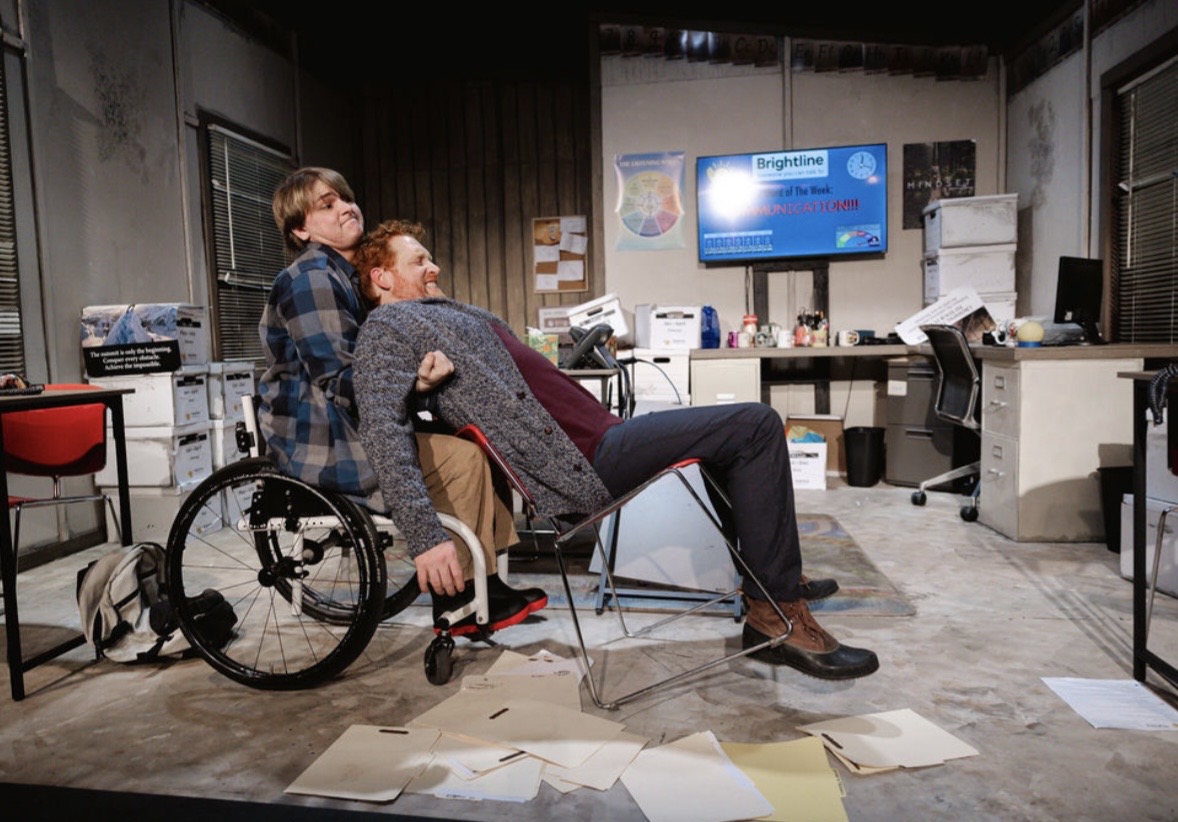
Adaptive choreography can include:
- Creating new movement
- Modifying existing choreography
- Developing movement vocabulary
- Problem-solving specific transitions or sequences
- Working with mobility aids as part of movement
- Collaborating with an existing choreographer
- Supporting rehearsals
- Consulting with directors and educators
- Working directly with disabled performers
My area of expertise is in physically disabled dancers and dancers who use mobility aids. I am a full-time non-ambulatory manual wheelchair user.
The Dancer Is Part Of The Process
There is no universal "disabled choreography".
Two dancers with similar disabilities may have completely different movement possibilities, preferences, and access needs.
The dancer's expertise matters, and so does their artistry. Adaptive choreography should create room for both.
For Organizations
Adaptive choreography services are available for:
- Theatres
- Dance companies
- Production companies
- Colleges & universities
- Arts education programs
- On-camera productions
- Workshops & classes
- Other performing arts organizations
Organizational engagements are available at standard rates. Contact to learn more about rates.
For Disabled Performers
I offer support adapting or developing choreography for whatever you need-- production, class, audition, or other project.
Pay-what-you-can services are available when services are initiated by a disabled performer.
Pacific Northwest focused.
Remote services may be available case-by-case.